Problem Statement
Hunger and food insecurity have reached alarming levels, especially exacerbated by the COVID-19 pandemic, with profound implications for millions of households. In 2020, a staggering 14 million households found themselves unable to secure sufficient food to meet their basic needs (Pathak). This statistic alone underscores the dire situation faced by many Americans. Moreover, a more recent report from June 2022 reveals that the crisis continues to persist, with nearly 24 million households, including 11.6 million households with children, reporting that they sometimes or often lacked adequate food during the week (Pathak). These numbers indicate an alarming increase in food insecurity in our society.
Compounding these issues are the barriers that have only worsened the problem for individuals in need (Code For America). Cumbersome and frustrating application processes have dissuaded many from seeking assistance, perpetuating the cycle of food insecurity. Code For America identifies various obstacles that hinder individuals from accessing the aid they require, including misinformation, limited ease of access, and the fear of potential consequences. Most food aid programs aim to serve an “unencumbered client,” or a client who has access to ample resources (Stein). Thus, most food aid programs are not suitably designed for the majority of the clients they serve, which are usually immigrants or the impoverished.
In response to this pressing issue, there is a critical need for a streamlined and stress-free application process to connect individuals with the food aid they desperately require. An accessible and centralized platform is imperative to empower those facing food insecurity by providing them with a reliable and convenient means of finding and learning about food aid resources, both locally and nationally. Such a platform not only simplifies the application process but also demystifies it, reducing the stigma and fear associated with seeking help.
Ultimately, individuals living in poverty and experiencing food insecurity urgently require a centralized, accessible, and user-friendly solution that facilitates their access to vital food aid services. By addressing the barriers and complexities surrounding food assistance, we can make significant strides toward improving the quality of life for those who need it most and addressing the unprecedented challenges of hunger in our society.
Citations:
Pathak, A., Schweitzer, J., Jordan, A., Ross, K., Banks, L., & Kogan, B. (2022, November 4). The United States can end hunger and food insecurity for millions of people. Center for American Progress. https://www.americanprogress.org/article/the-united-states-can-end-hunger-and-food-insecurity-for-millions-of-people/
Project Description
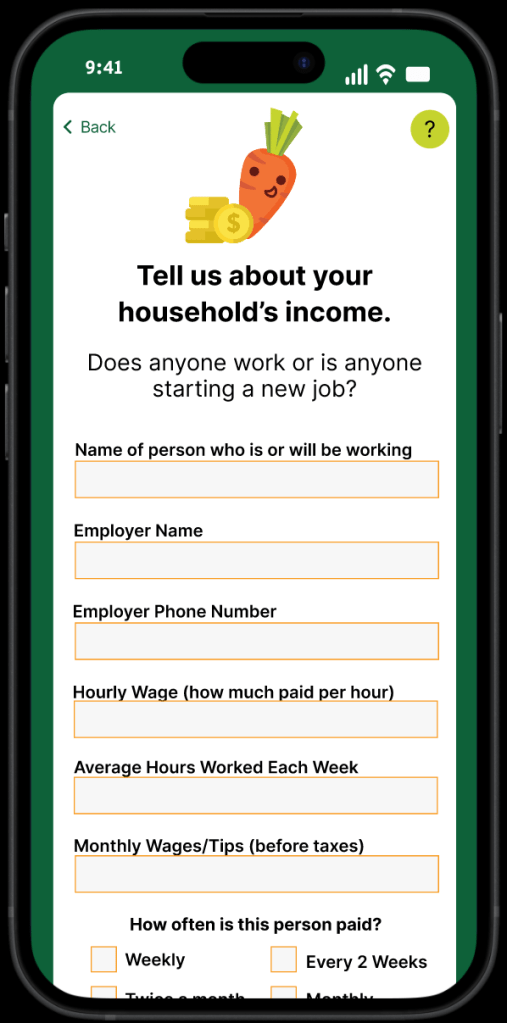
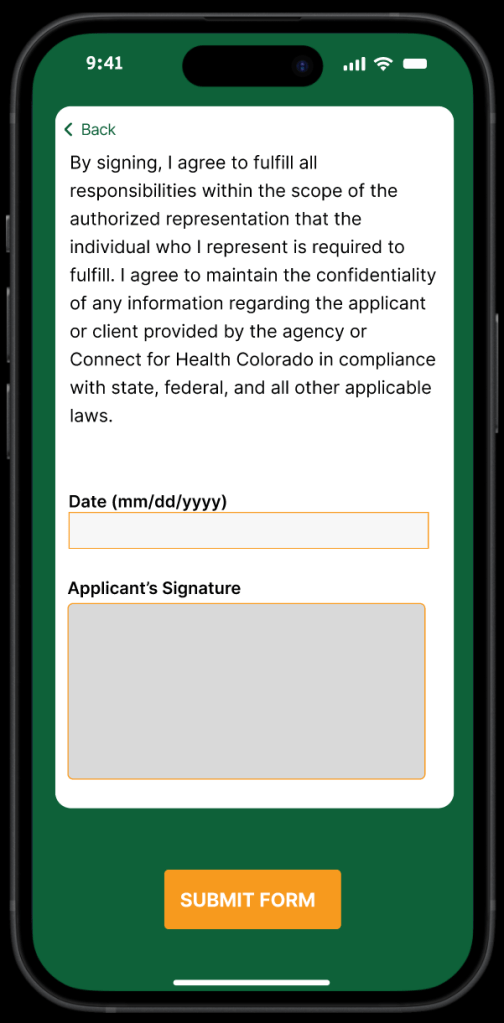
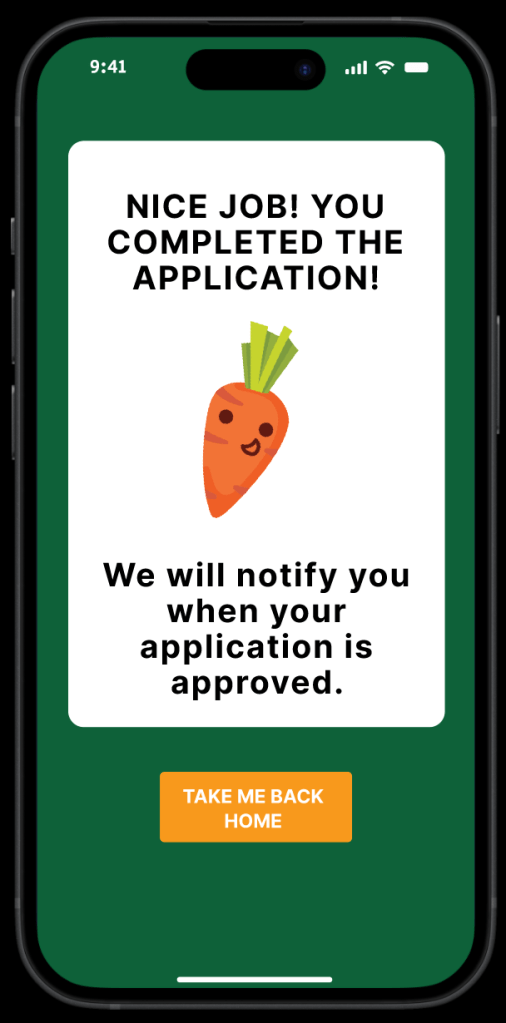
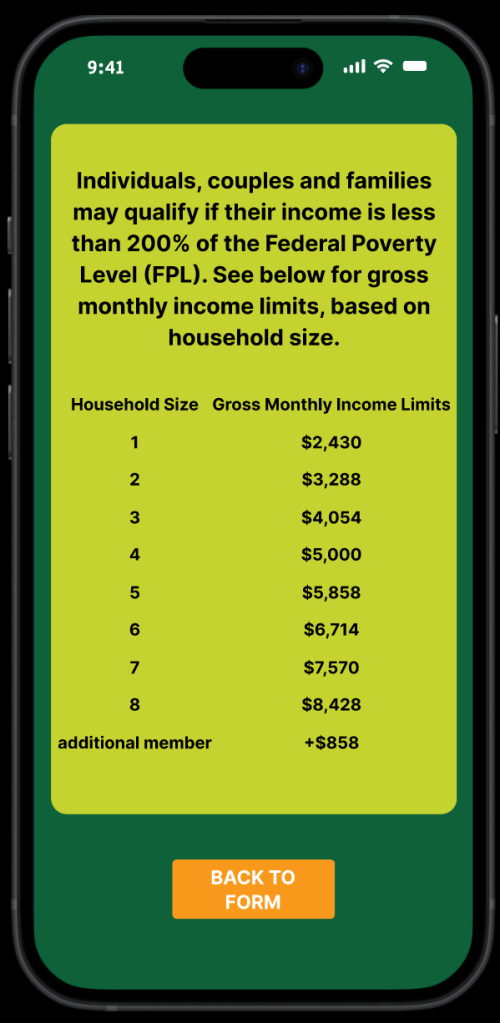
Using the inclusive design methodology, I redesigned an existing design project and made it more inclusive and accessible for people. By considering the many languages people speak in America, and the people who have trouble seeing, I was able to tailor my design to these needs. I added a few tweaks here and there but overall made my design more accessible with features anyone can use.
Inclusive Design and Accessibility
Accessible design focuses on providing accommodations for people facing temporary or long term disabilities. These accommodations can range from subtitles to text to speech functions. The possibilities to create helpful setting and tools to ensure usability are endless. When it is Accessible design, The main focus is to get any user to the goal or outcome they are trying to achieve. There are also accessibility guidelines published by various governmental and industry groups to help ensure people don’t get left out with UX/UI designs. While inclusive design is similar to Accessibility, its methodology for designers on how they should approach a design that way it can be used by a diverse group of people. It looks at exclusion and how we can solve problems that helps everyone feel included. For example, the design process may start with looking at one type of person, lets say someone who has trouble hearing. Inclusive design will focus on this person and make the design tailored to them. And then people who find the design helpful can benefit from it in their own ways. Inclusive design and accessible design both focus on the idea that disabilities happen at the intersection where people and their environments interact.
Design Process
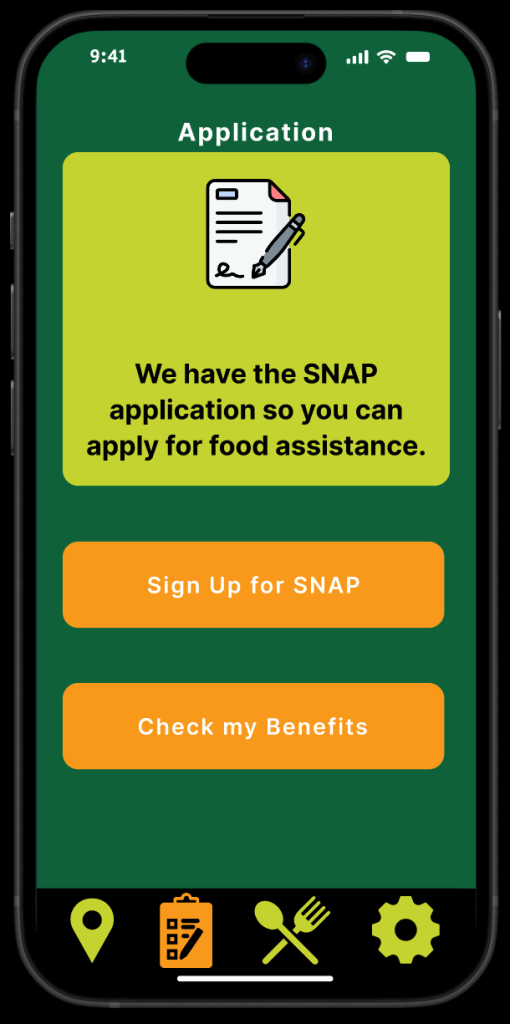
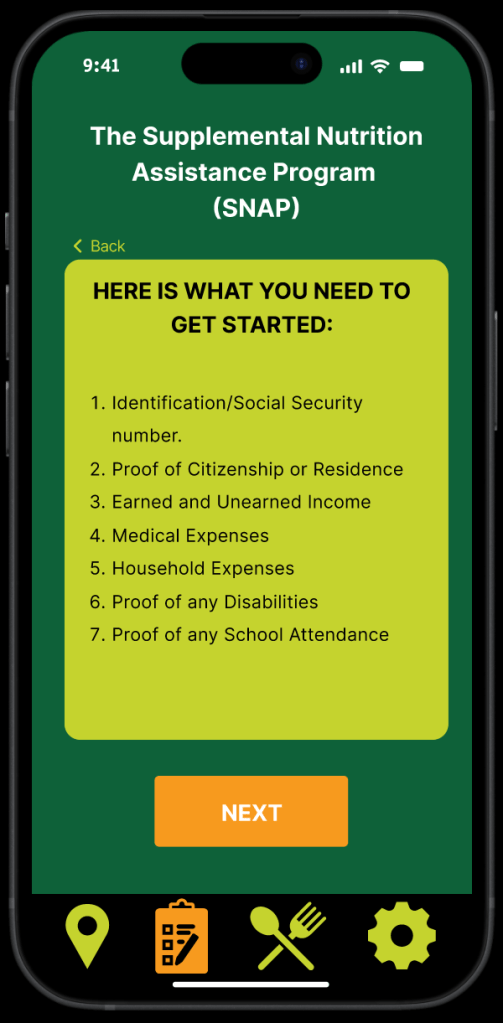
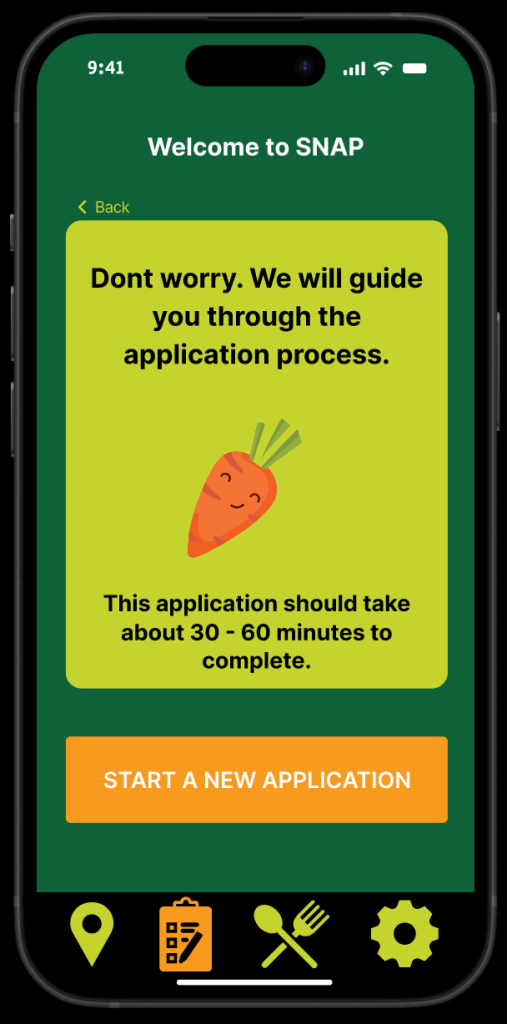
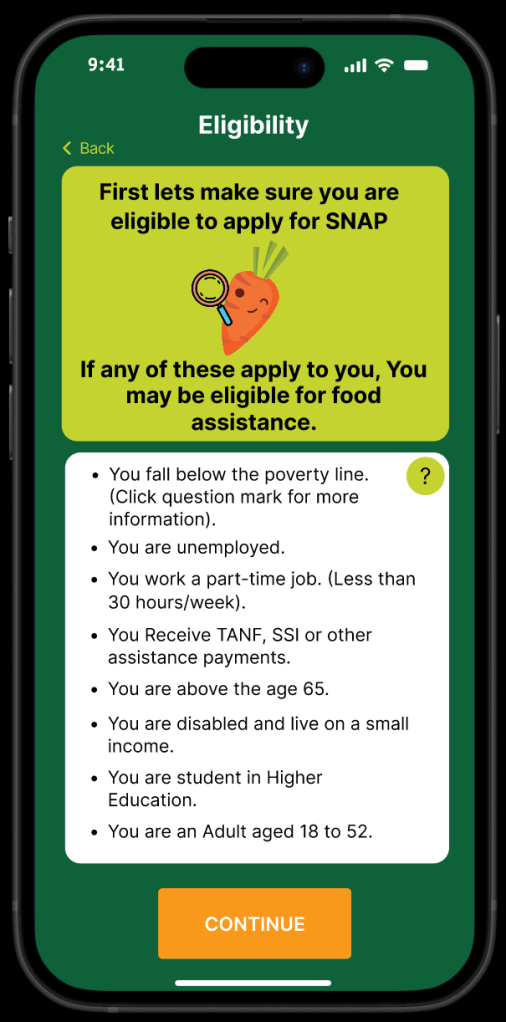
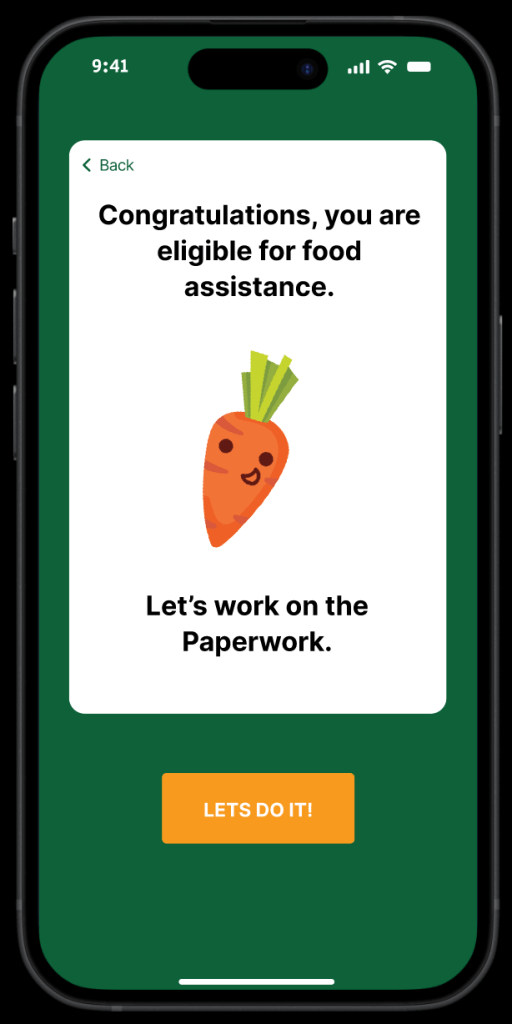
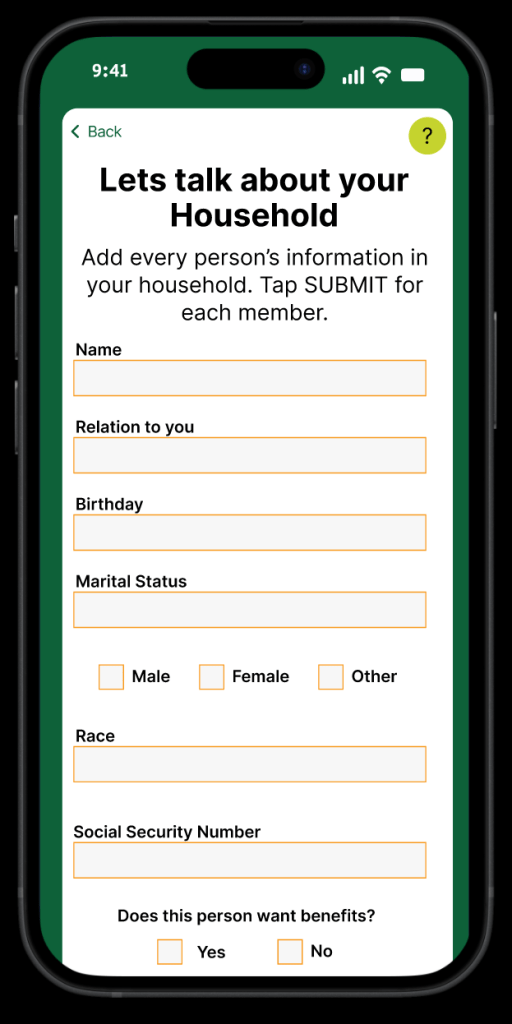
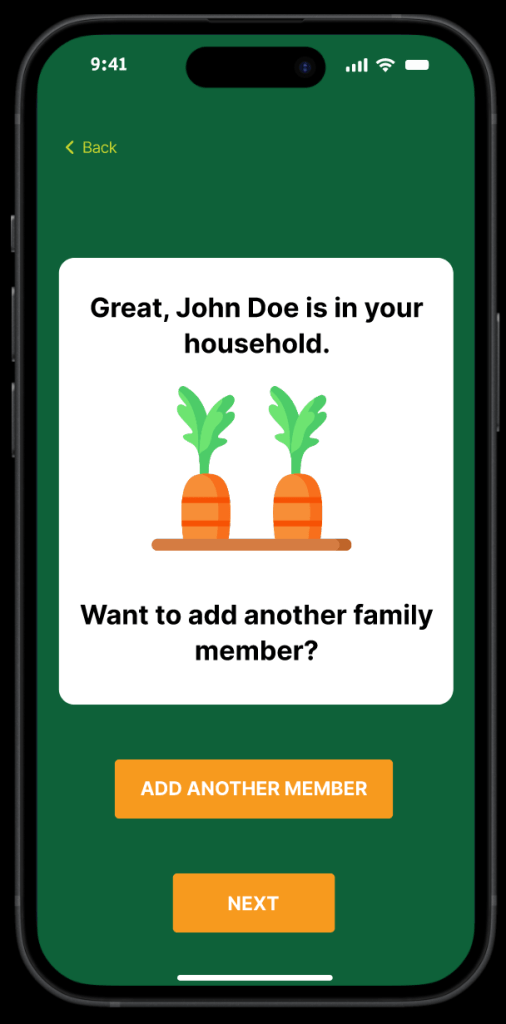
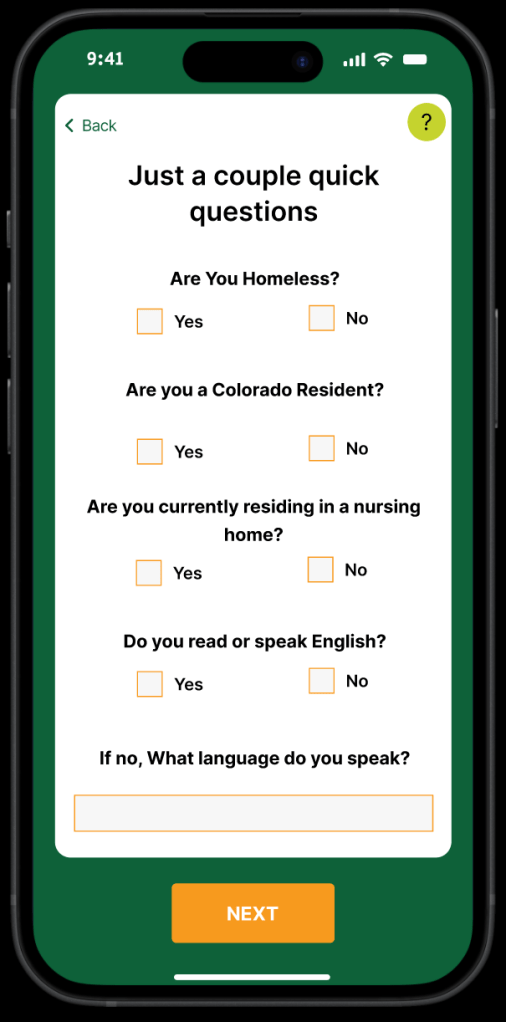
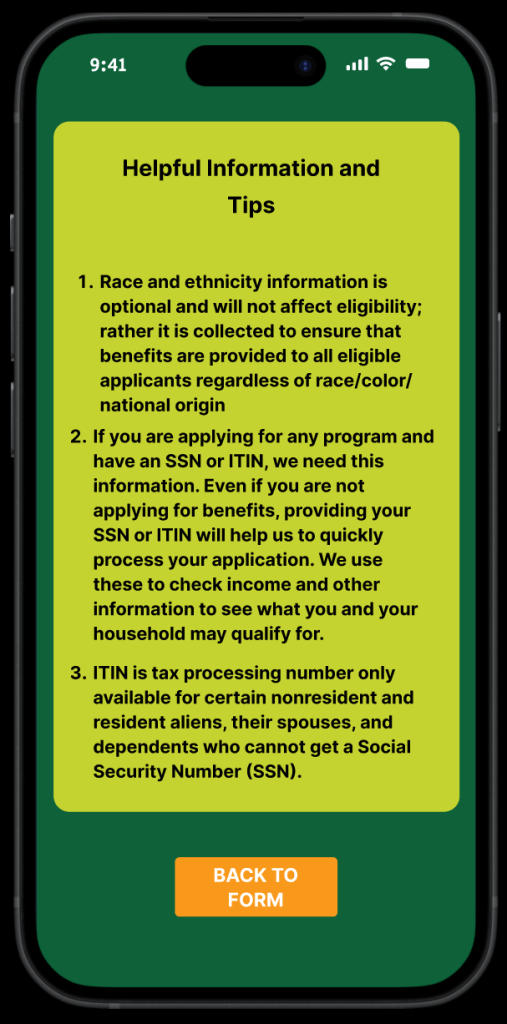
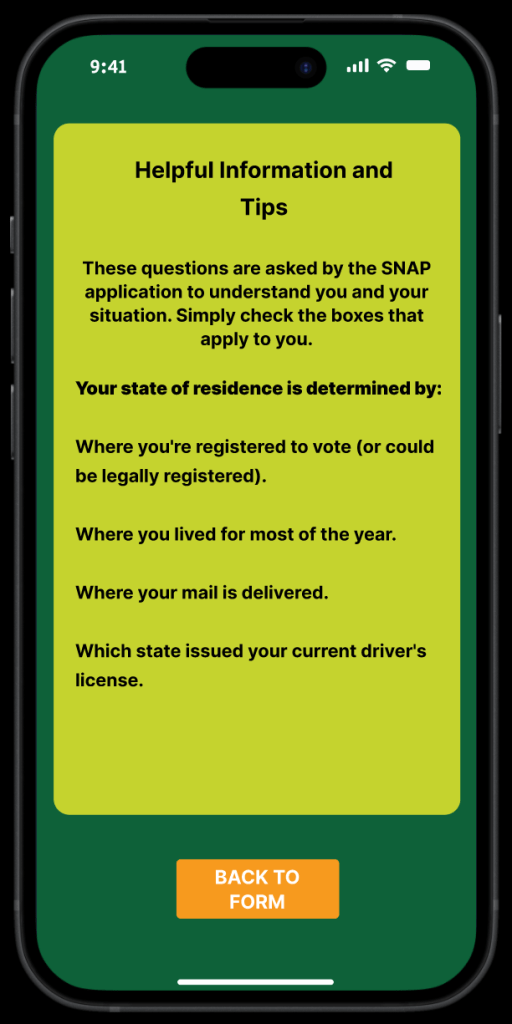
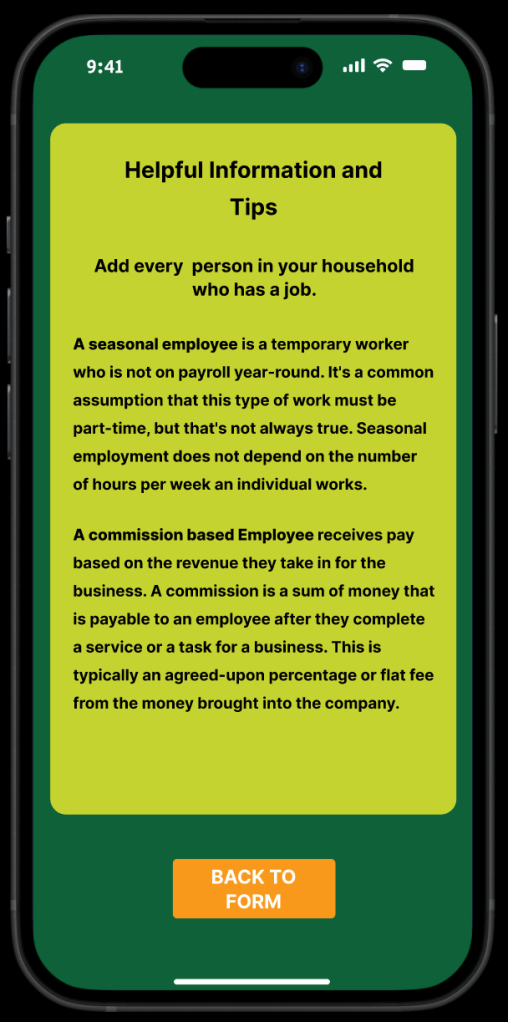
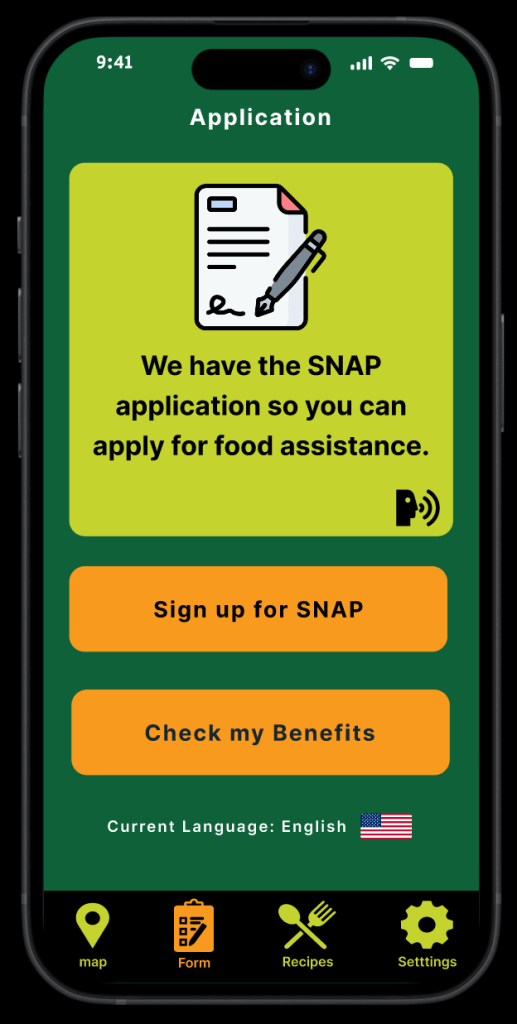
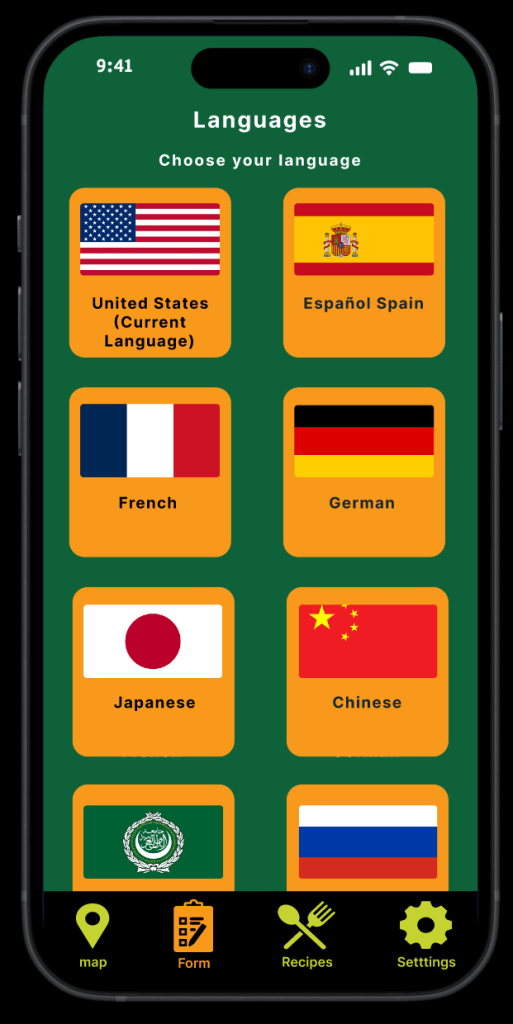
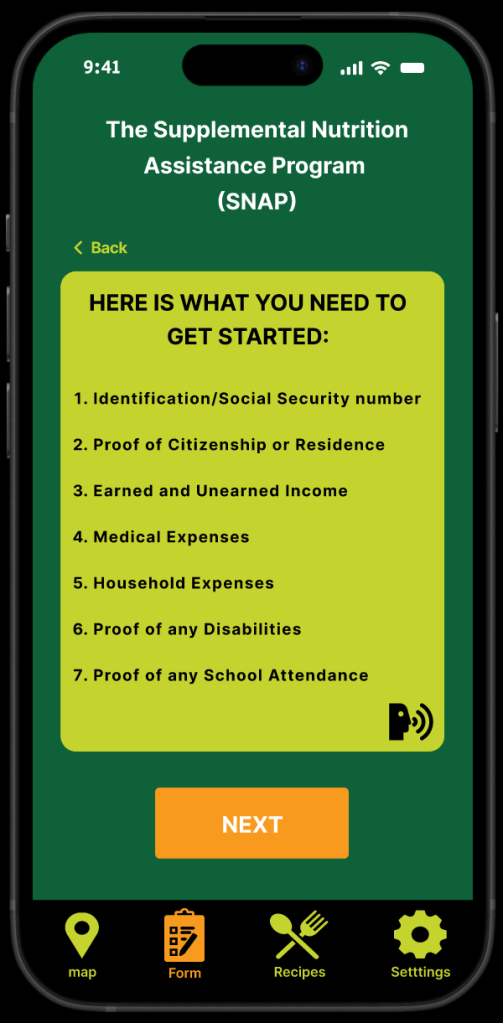
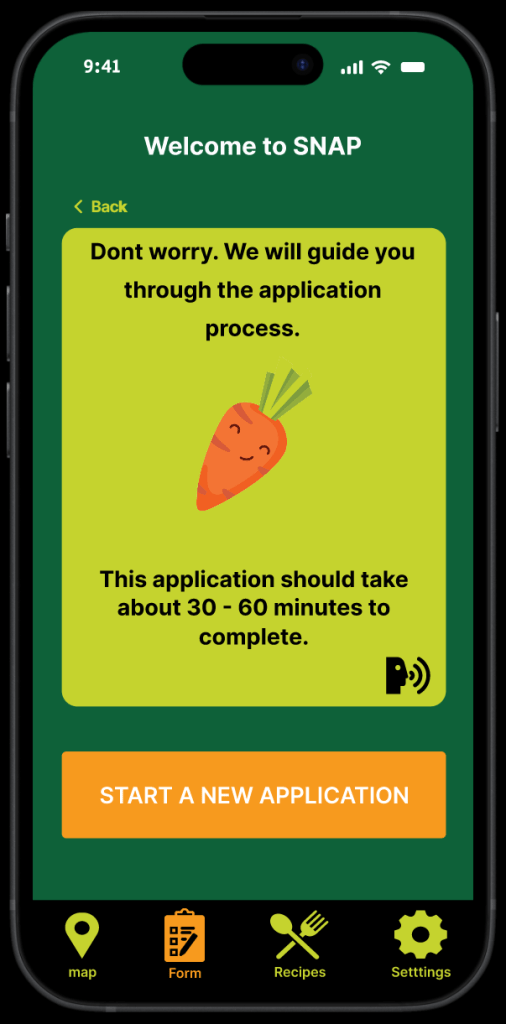
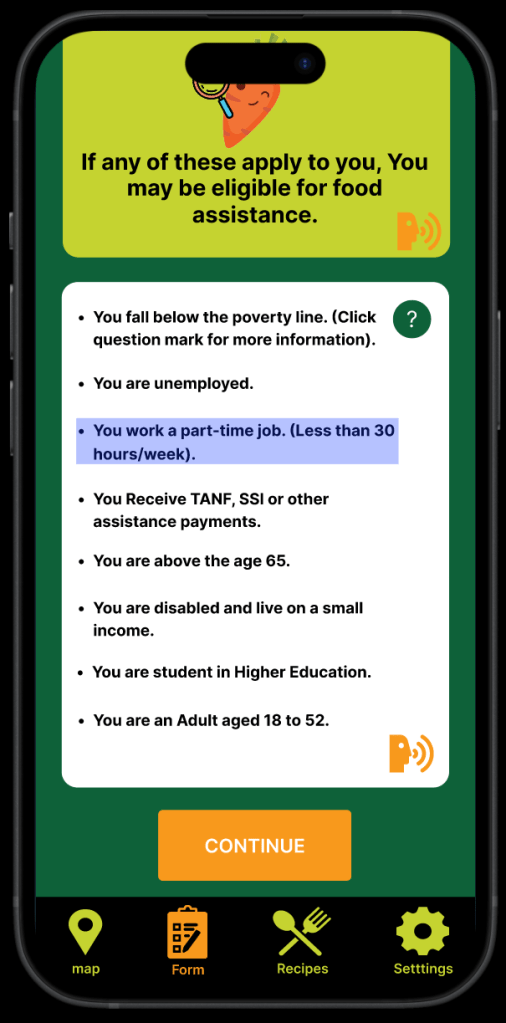
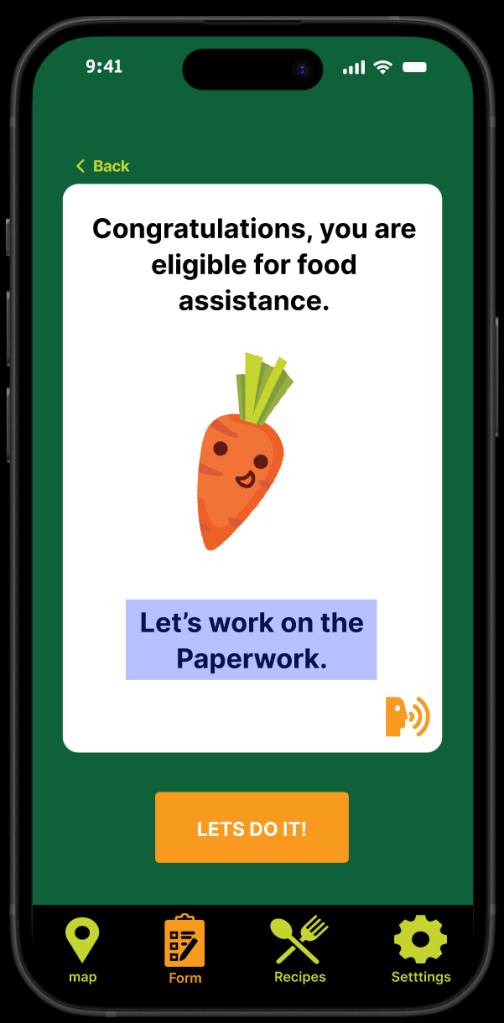
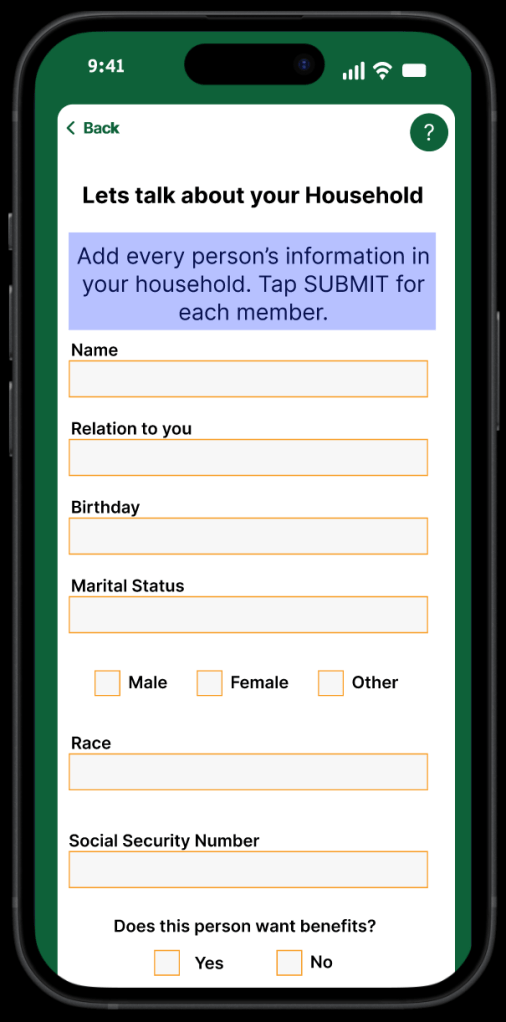
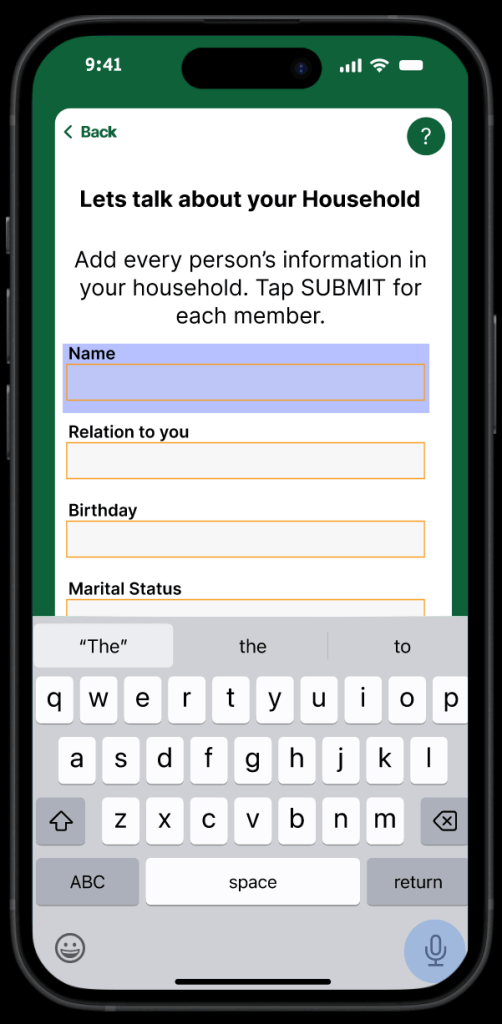
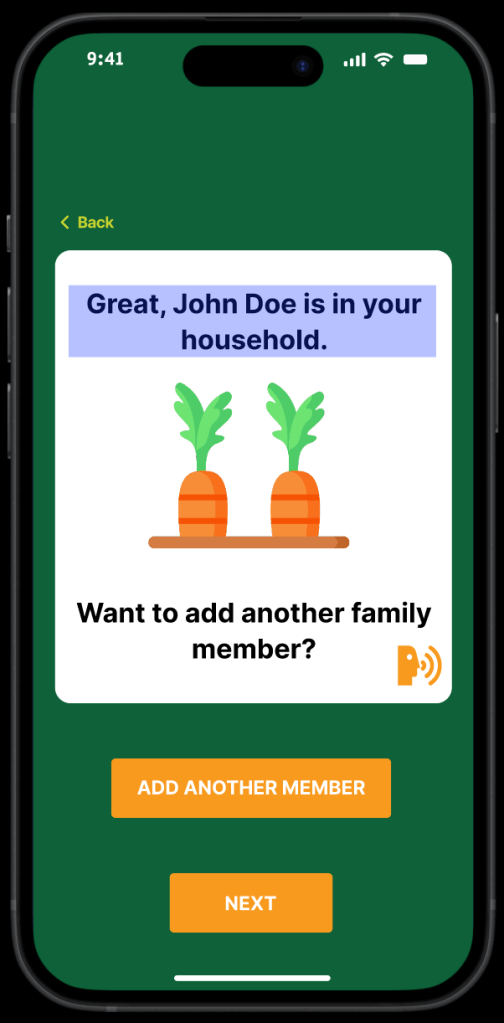
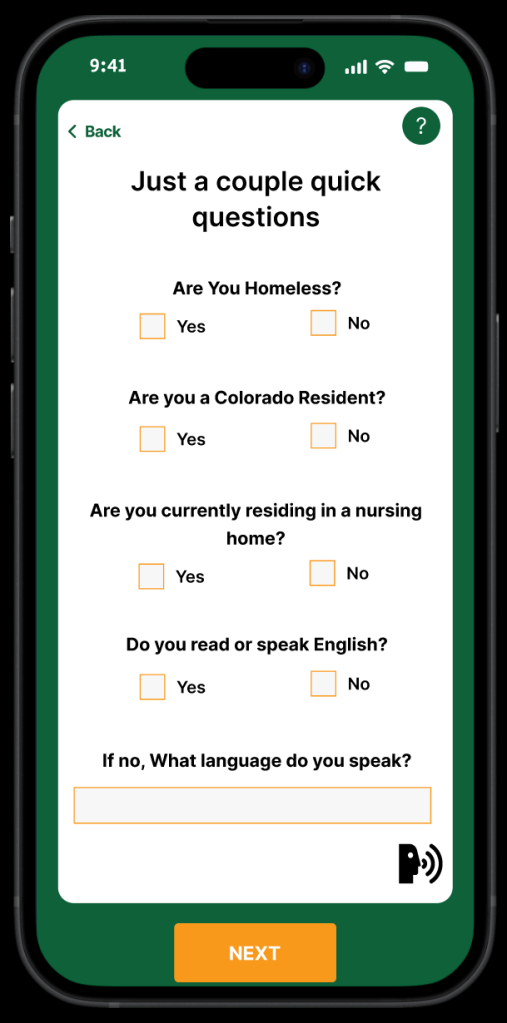
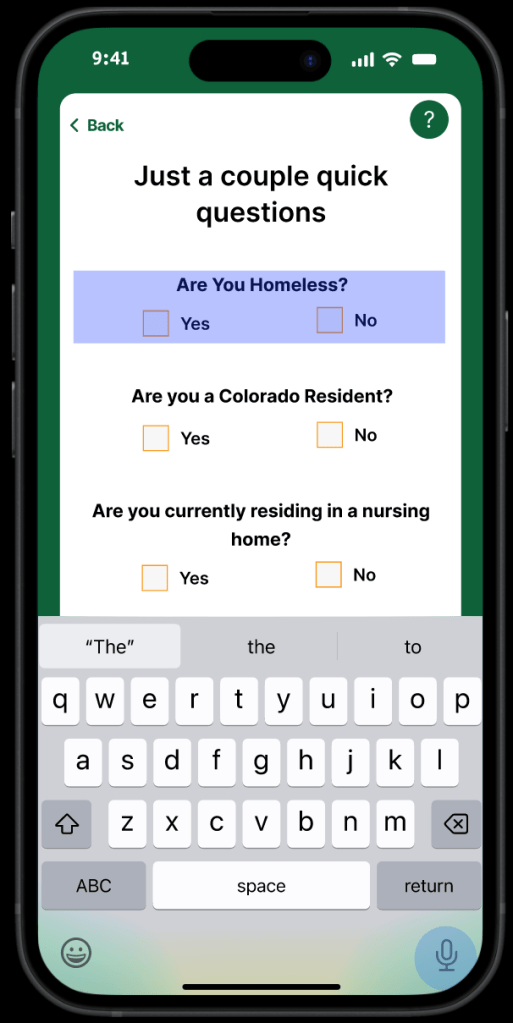
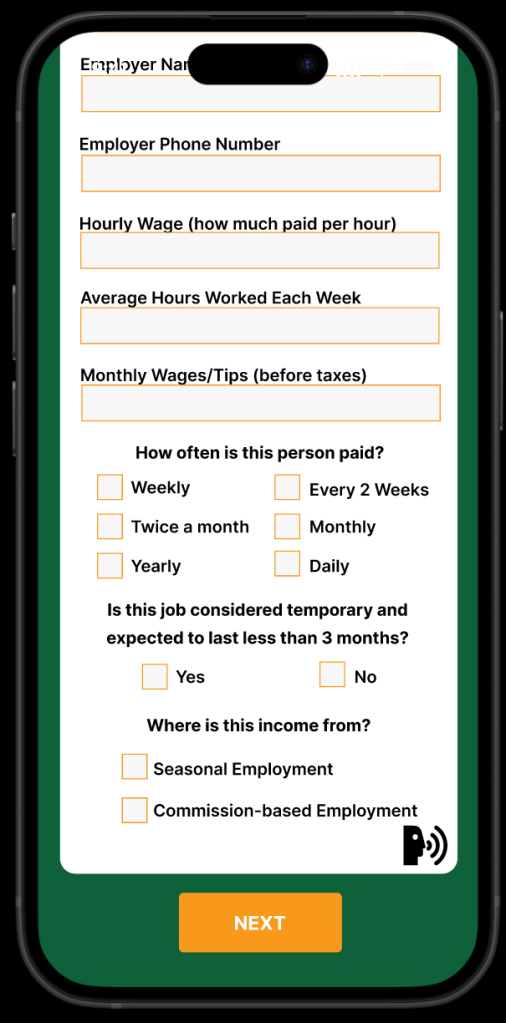
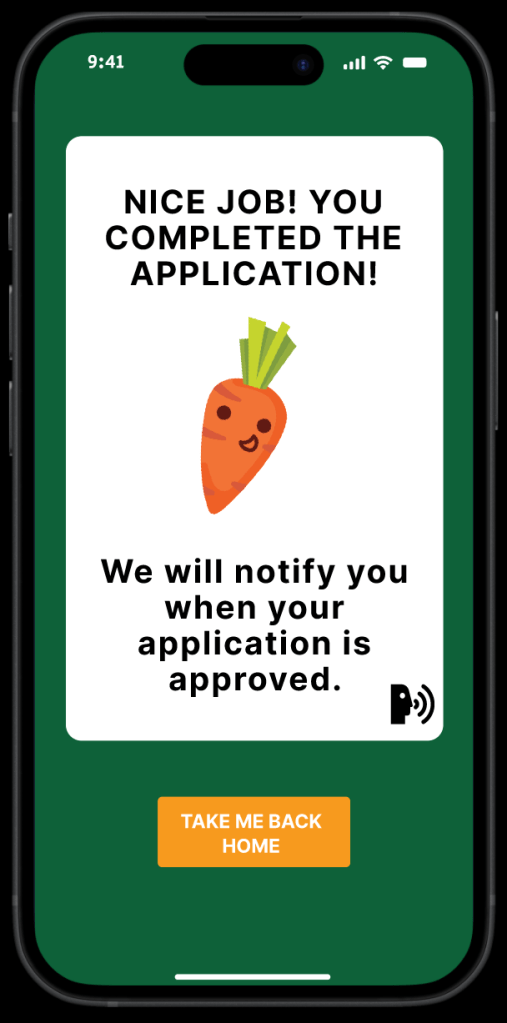
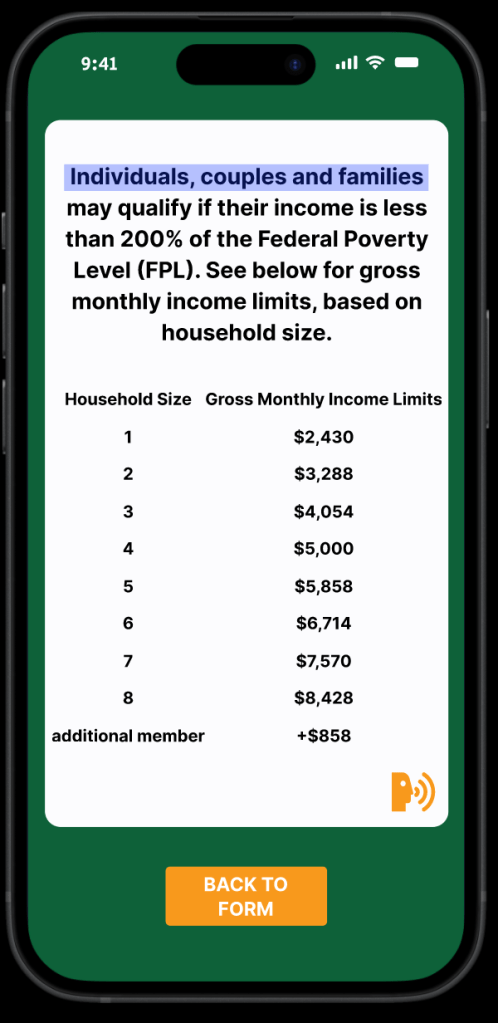
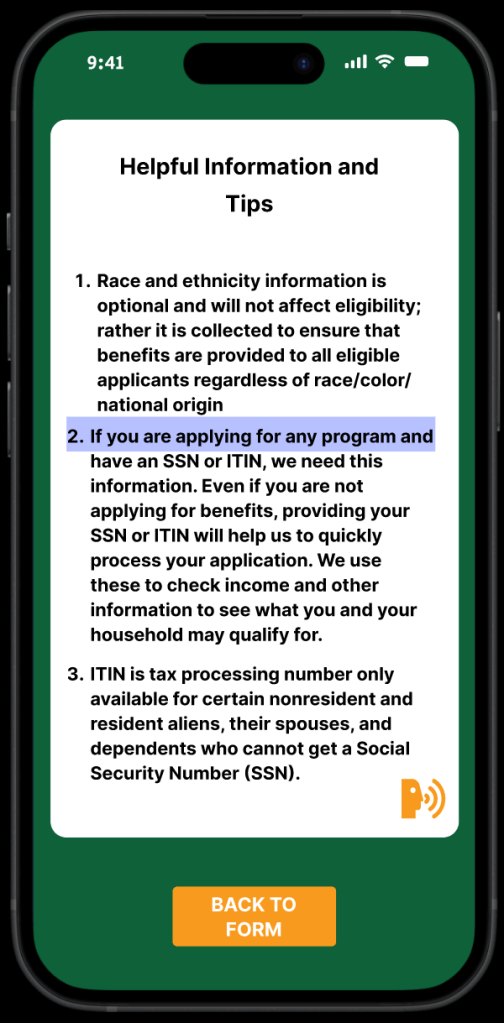
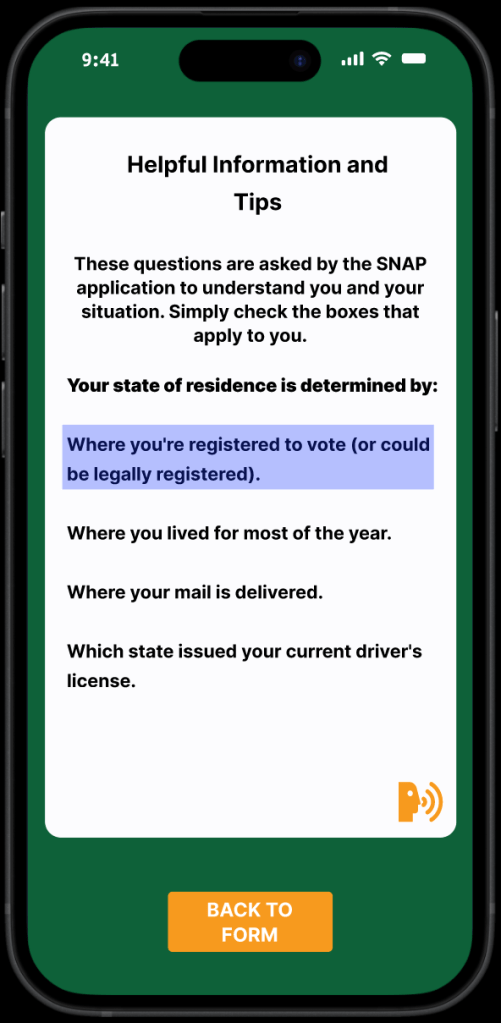
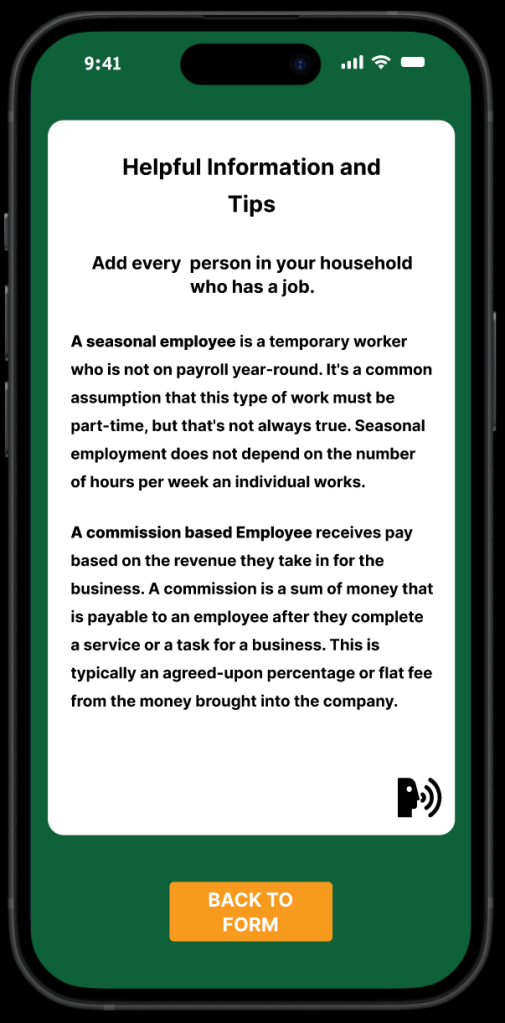
With this design, I wanted my audience to be someone who speaks another language like spanish and has trouble seeing with blurred vision. On the home page, I added a language option with the appearance of a flag. When users click on the flag, they can see all the different languages that are available. When choosing a different language, the rest of the app will switch to that language to accommodate the user. Another feature I added was a text to speech option that reads all the words for the user. When the option is selected, all text will be read to the user. They can toggle this function on or off by just pressing the speech icon. When it comes to user input and the text to speech function is on, The user can use their microphone to state their answer instead of typing. The blue highlight represents what the user is hearing when they turn on the text to speech function. I also used the Luminosity Colour Contrast Ratio Analyser to make the text readable by changing some colors. This design overall helps people who have trouble seeing, and can be beneficial to other users making the sign-up process easier and more understandable.
Previous Design (Before)
Inclusive Redesign (After)
 Alberto Flores Portfolio