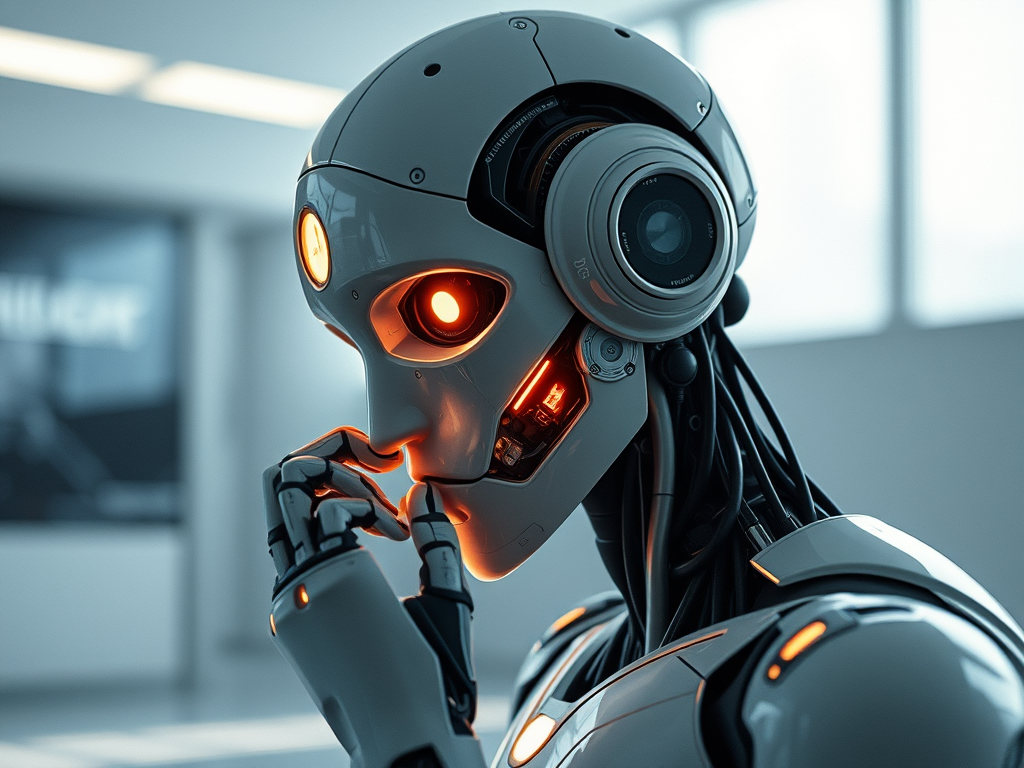
What is AI?
Artificial intelligence is a rapid growing technology that has overcome its infant stage, and is now developing its first strides to becoming something either great or terrible for humanity. To understand AI, we need to look at a basic definition. According to Accenture, artificial intelligence “is a constellation of many different technologies working together to enable machines to sense, comprehend, act, and learn with human-like levels of intelligence.” Chatbots like Chat GPT and Google Gemini use this combination of different technologies to provide efficient and reliable responses. Then there is generative AI, which IBM describes as “deep learning models that can create complex original content—such as long-form text, high-quality images, realistic video or audio and more—in response to a user’s prompt or request.” Generative AI can be helpful to users and companies, but when it comes to creativity and work ethic concerns, the new technology can be seen as a bad thing.
What are some ways that AI is currently problematic?
When considering generative AI, many problems arise when using this technology. Generative AI can produce harmful content when users have the ability to produce whatever they want from text prompts. In fact, Google got into trouble for this when their AI, Gemini, depicted “specific white figures like the US Founding Fathers or groups like Nazi-era German soldiers as people of color, as an over-correction to long-standing racial bias problems in AI.” This can be very problematic especially when there is an increase in new AI services being developed by various companies. Some businesses may not consider censorship or regulation to their chat bots or AI content. This can lead to people getting offended and establishing AI as potentially provocative. Harmful and unprofessional content can create a bad reputation on this emerging technology within the media leading to more scrutiny and disdain.
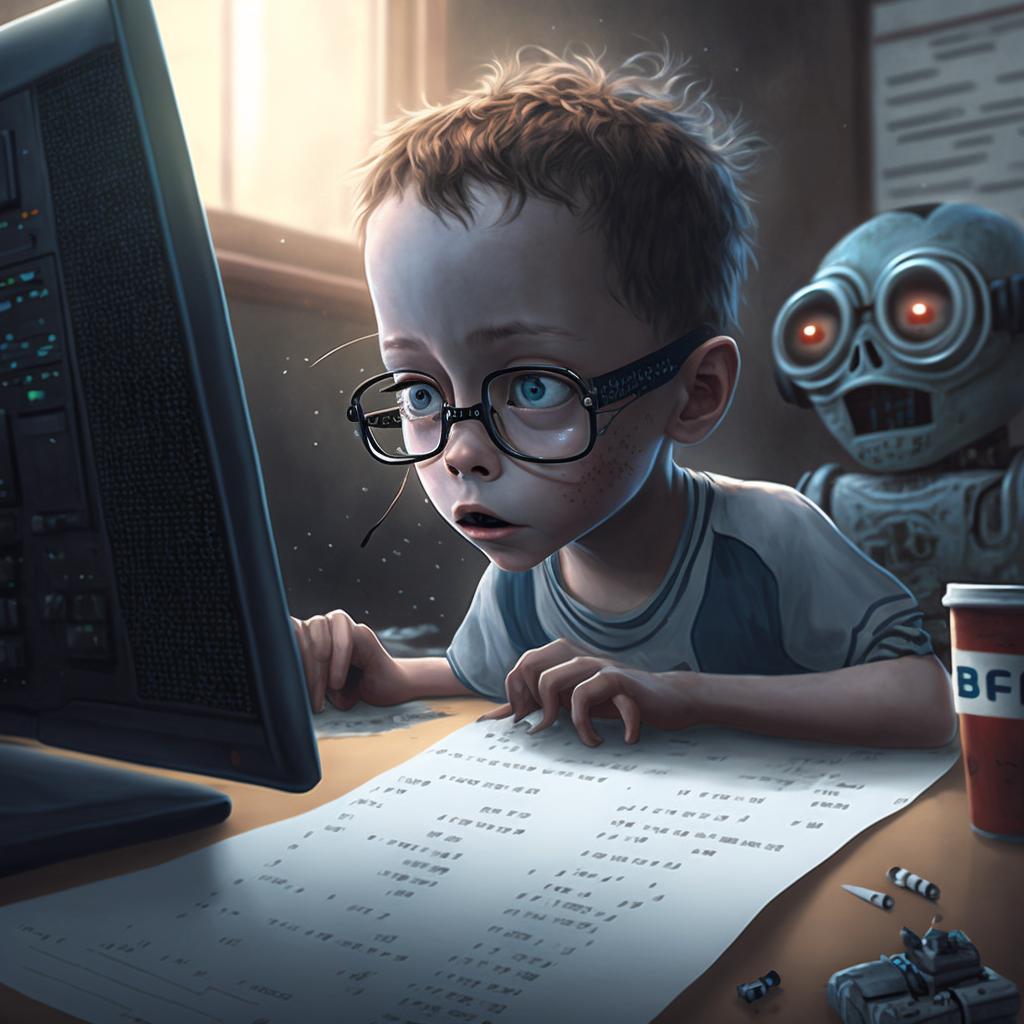
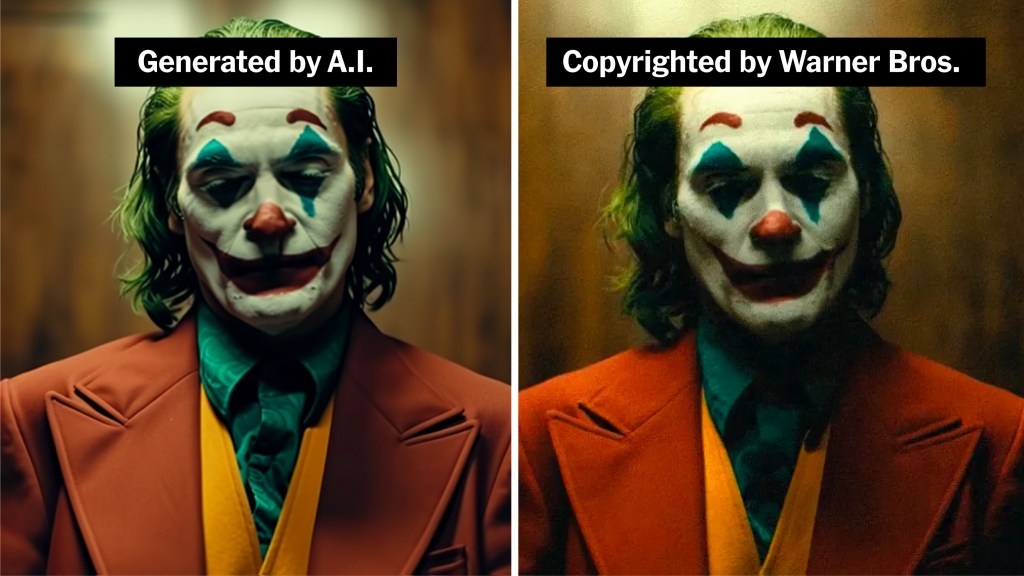
Another huge concern is copyright and legal exposure, these AI tools are “trained on massive image and text databases from multiple sources, including the internet.” And since art, designs, and information are all on the internet, AI will take aspects of human created content and information to create the desired product. This creates many problems for human creatives in various art fields as their time consuming work and art style can be emulated to produce AI generated content in a matter of seconds. There are actually many lawsuits right now against some AI services due to copyright infringement. One example is Getty Images which filed a lawsuit accusing Stability AI of infringing more than 12 million photographs, their associated captions and metadata, in building and offering Stable Diffusion and DreamStudio. There are many lawsuits emerging against AI companies stealing content from creators, which makes it a huge ethical concern.
Workforce roles and morale are also factors that are affected by Artificial Intelligence. “AI can do a lot more of the daily tasks that knowledgeable workers do, including writing, coding, content creation, summarization, and analysis.” If AI can make someone’s job easier, then they will complete tasks quicker and possibly more efficiently. It can either be used responsibly or it can be used wrongfully by doing the bare minimum work to achieve a desired AI generated result. Furthermore, there is fear among people believing that AI can replace them in jobs involving art, design, manufacturing, and many more. According to Nexford University, “Artificial intelligence could replace the equivalent of 300 million full-time jobs. It could replace a quarter of work tasks in the US and Europe, but may also mean new jobs and a productivity boom. And it could eventually increase the total annual value of goods and services produced globally by 7%. Many simple jobs that can be done with AI will most likely lead to many people losing their jobs. And while there are new jobs being created, it still is not beneficial to the people who lost their jobs.
How should designers balance innovation and responsible AI design?
Designers especially in the UX/UI field have the ability to balance innovation and responsible AI design. Artificial intelligence needs to be used as a tool that works with the designer to create websites and apps that are efficient and visually appealing. AI can’t just do the work for the designer, instead it can be looked at as an assistant. It can help the designer with tasks and simulate user testing to ensure the design is ready for a human audience. If a UX designer is working on a website layout, one way AI can help is with Predictive UX, which is a service that allows an AI to pretend to act as a user and simulate them going through the website. This can help the designer better predict the user’s actions and can move certain elements that accommodates the average person. Another way AI can be useful is with AI driven personalization, which involves algorithms that learn from the user and uses the customers’ browsing habits, preferences and interactions to offer better user experiences. These are apps like Pinterest, Tik-Tok, Instagram, and other social media platforms that tailor content for each specific user leading to longer usage times.
AI also offers an opportunity for UX designers to increase the automation of routine tasks. This can make creating wireframes and prototypes quicker using “automated generation of design variations.” This means AI-powered tools can analyze user data, design trends, and preferences to generate multiple design options for interfaces, layouts and components. This can cut a lot of time for the designer and can let them start designing quicker, creating more time to refine the website or app. Content generation like images can be used ethically by making it align with the brand identity, and then modifying the image to the designer’s satisfaction. Lastly, chatbots can be used responsibly when the designer asks for help coming up with ideas in the brainstorming stage or needs sample text to include in the design.
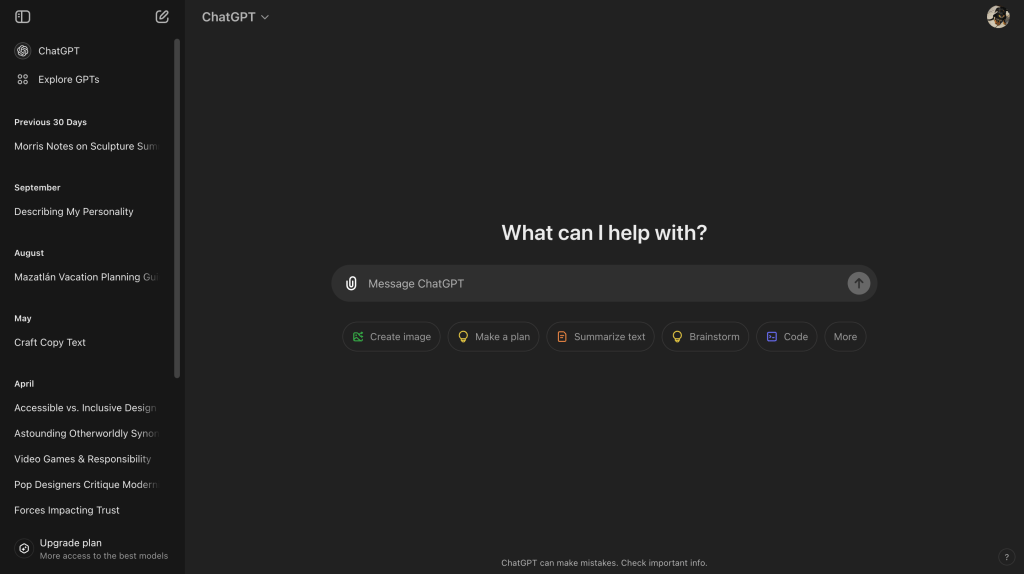
Overall, its important to consider AI as an assistant or tool rather than a conscious entity that can do whatever it wants. We have power over this technology, and we can use it for good by following good principles and ethically using it to get work done faster and efficiently. We should not abuse this technology by using it all the time as it may lead to deeper problems within us and our relationship with artificial Intelligence. As humans, we want to make life simpler and easier for ourselves and everyone around us, and AI will help us achieve a world where that may be possible.
 Alberto Flores Portfolio
Leave a comment